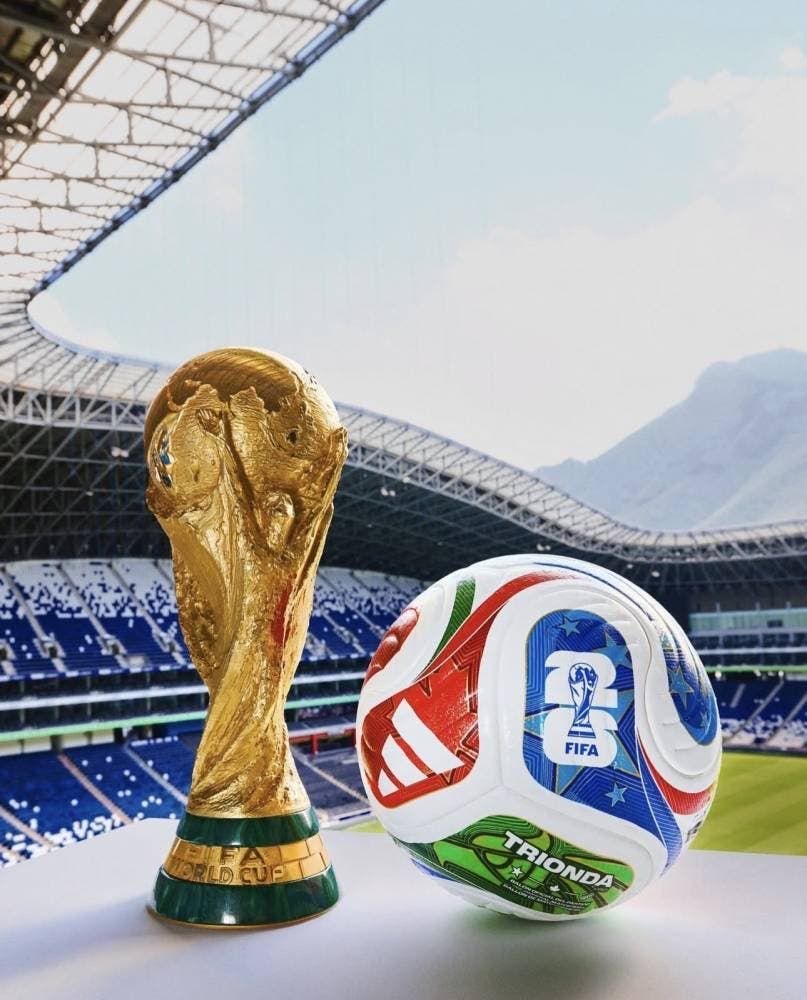
A lot of people believe that having a successful international team is cakewalk as they play for a short period of time compared to club football. But this is the biggest catch in the entire debate. International teams hardly get any time to play with each and hence it becomes more than necessary to bring out the best of them. Additional factors like injuries, generation of players and quality becomes essential as the squad selection options get reduced for countries.
- Spain (2008-2012)
Arguably the greatest international side of all time. Spain had a plethora of talent who understood team work and individual qualities, shaping the most successful period of their countries rich football history. A world class goalkeeper in Iker Casillas along with legends like Iniesta, Xavi, Xabi, Ramos and Villa, this team was never meant to be an underdog of any sorts. Embracing the famous Tiki-Taka brand of football, the country outsmarted their opponents and made it unbearable to face them. A major credit for their success can be attributed to the club FC Barcelona, as nearly 8-10 players from their squad comprised players from the Catalan club.
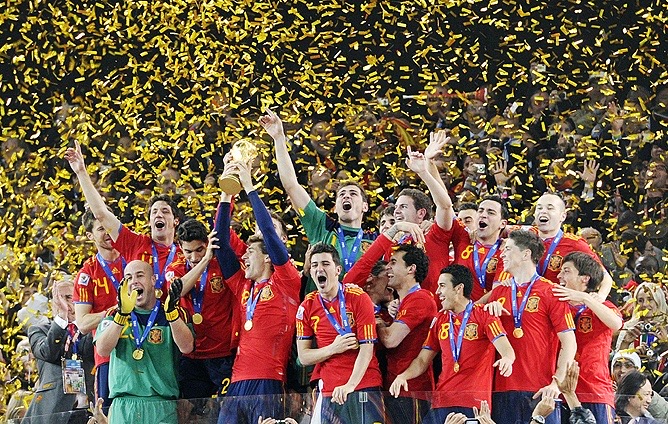
Their first major success was winning the 2008 Euros, defeating Italy and Germany on their way. This was followed by their runners up medal at the FIFA Confederations Cup in 2009. The biggest crown was the 2010 World Cup in South Africa. In a tournament where most teams and players struggled to control Adidas’ Jabulani ball, Spain made history with it. Having a shaky start, losing their opening game to Switzerland, Spain became the first country to lift a World Cup after losing their opening tie. In achieving glory, they defeated the likes of Portugal, Germany and Netherlands. It took a 116th winner from Andres Iniesta to break the deadlock.
They managed to repeat their success in the 2012 Euro. Going into the tournament, both their strikers David Villa and Fernando Torres, who happened to be their top scorers in the previous two trophy victories, were nursing injuries. This edition proved that Spain were the greatest international team with the generation of players assembled. They played 6 midfielders in their matches. Cesc Fabregas was pushed into a striker position with Iniesta and David Silva providing him support from the wings. The midfield was revamped and consisted of Xavi, Xabi and Busquets who ran the entire game at their feet. They managed to knock out Croatia, France, Portugal and Italy on their way to glory and write down the most successful chapter in Spanish football’s history.
2. Argentina (2021-present)
“So close, yet so far”, a phrase associated with the Argentine national team for years. The country struggled to win any silverware and lost 3 consecutive finals from 2014 to 2016, which included the World Cup and 2 Copa Americas. The “moral success” was not enough for the team as the country craved for titles eluding them since the 1990’s.
In 2019 the AFA appointed former player Lionel Scaloni as their manager. A man with little to no experience in coaching was appointed for a temporary period. His first assignment was the Copa America 2019, where the team finished third, which was considered a success for a relatively young team.
Argentina and Lionel Messi finally broke their trophy drought as they won the 2021 Copa America against Brazil at the Maracana. They managed to defeat teams like Uruguay and Colombia as well on their way to glory. The team barring Lionel Messi and Angel Di Maria lacked star power, but were extremely efficient as a team. New faces like Emi “Dibu” Martinez, De Paul, Lisandro Martinez, Lautaro Martinez, Julian Alvarez, etc., began shining.
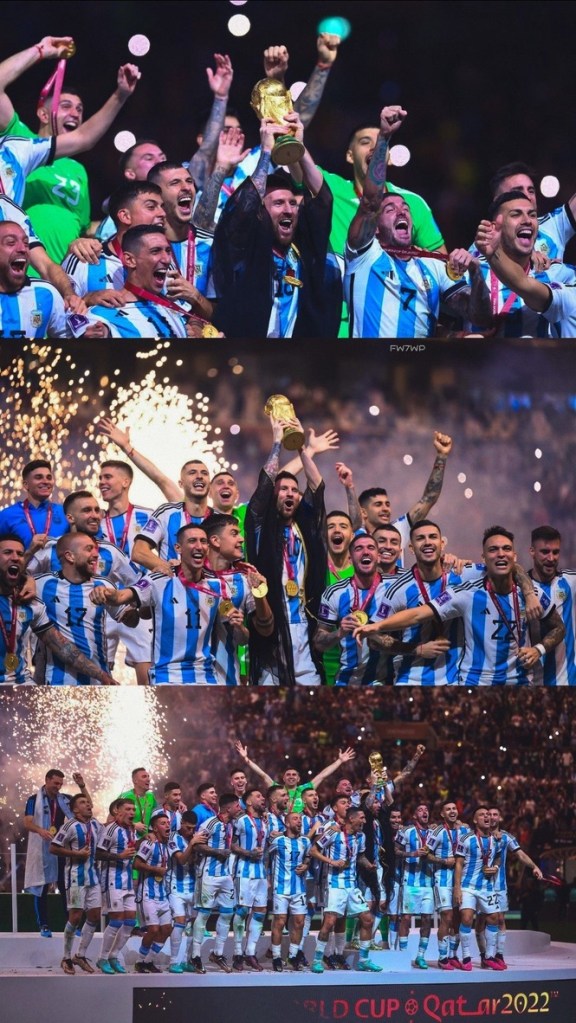
In 2022, Argentina became the second team after Spain to win the World Cup after losing their opening game. They knocked out Netherlands and Croatia, including a cinematic showdown against defending champions France in the final. Messi won another player of the tournament award, along with Enzo Fernandez and Emi Martinez winning other awards. Earlier the same year, Argentina won the Finalissima against European champions Italy.
2024 saw the Albiceleste win another Copa America, thereby asserting their dominance and creating a new legacy. Lionel Scaloni’s team proved that having a brilliant teamwork always outshines a star-studded lineup
3. Germany (2008-2021)
One of the most consistent international sides of the 21st century. The end of this era might not be the most desired one, but the journey was worth every moment. Besides winning regularly, Germany were one of the most feared teams across the world for their ruthless performance and ‘never give up’ attitude in their DNA.
Joachim Low created a system that relied on relentless counter-attack and frustrating the opponent. 2008 Euros saw them end as runners up, followed by a third place finish at the 2010 World Cup. The most memorable matches were the 4-1 win against England and 4-0 victory over Argentina. These matches proved the intense mentality of the German team that managed to knock off such opponents. Another semi-final finish in 2012 at the Euros was highly appreciated, but questions started raising on the team. With the range of talent and performances, the team was getting to the latter stages of the tournament, but somehow could not cross the finish line as champions.
The 2014 World Cup in Brazil was yet another opportunity. With the experience of 3 tournaments in their bag, Germany were among the top favourites to win the coveted trophy. They defeated Portugal 4-0 in their opening match and never seemed to look back. They knocked out France in the quarter-finals, before the famous semi-final against hosts Brazil. The hosts were the heavy favourites to knock Germany off, but what followed was a true character of German football.
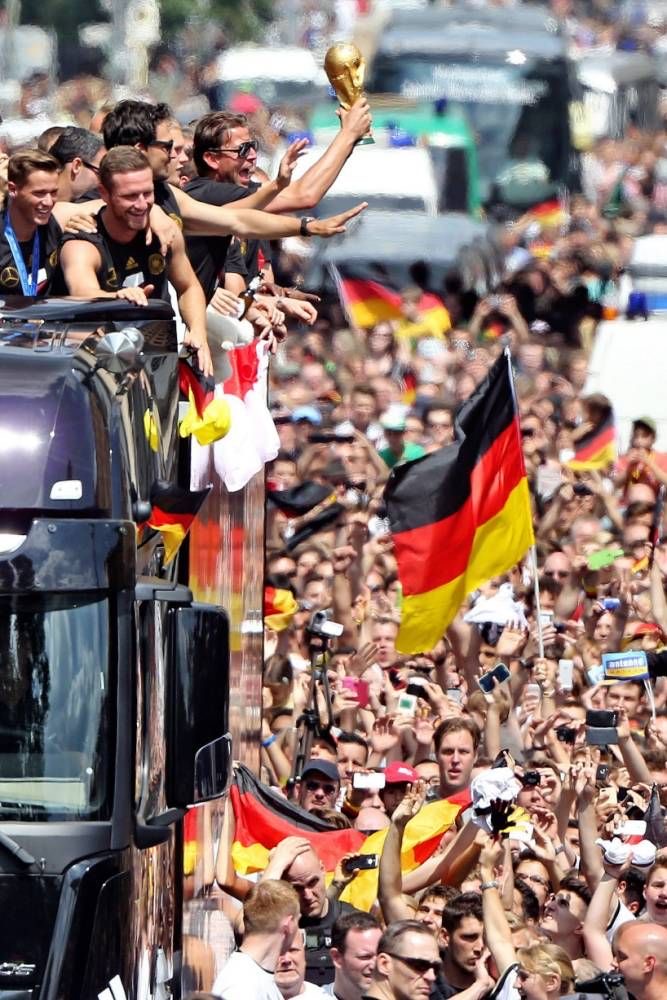
The Germans destroyed Brazil 7-1 in their own backyard, which up to date is considered as the biggest humiliation in World Cup history. The match was termed as “The day Brazilian talent lost to the German discipline”. Germany went on to win the final against Argentina with a late winner from Mario Gotze. Manuel Neuer won the Golden Glove for his masterclass in goal. For players like Muller, Lahm, Klose, Kroos, Ozil, this win served as the crown they longed for.
Their fine form continued at the 2016 Euros where they knocked out Italy in a dramatic fashion, winning 7-6 on penalties. Unfortunately the team crashed out in the semi-finals to hosts France. Taking a young squad, Low won the 2017 FIFA Confederations Cup. The squad consisted of modern day stars like Ter-Stegen, Gnabry, Draxler, etc.
2018 saw a sudden decline in the team’s performance. Continuing the ‘winners curse’, Germany became the third straight defending champion to crash out in the group stages of the World Cup. It was one of the lowest points of Die Mannschaft’s rich football history. The 2020 Euro was the final chapter of Low’s historic German era. Once again the team proved their relentless spirit. In a must win match against Portugal on matchday 2, Germany came from 0-1 down to win the match 4-2. Sadly their dream ended following a defeat to England in the knockout stages.
This era might have been highlighted only by the 2014 World Cup win, but it largely gave a roadmap on how to be consistent across major international tournaments across a decade. Joachim Low was key in structuring a squad that just did not have stars, but played like a team.
4. France (2014-present)
One of the most competitive and entertaining years in French football, after a short tumultuous period. Post 2006 World Cup, France had been on a run of poor results across tournaments. The team’s form and repeated failures made the fans question if their glory days were long gone.
2012 saw Didier Deschamps, former World Cup winning captain, take the reins and kickstart a new era in French footballing history. Deschamps created a team that had stars and could manage their strengths and weaknesses side by side.
After a decent performance at the 2014 World Cup, France had a historic run at their home during the 2016 Euros. Antoine Griezmann emerged as a new age star, winning the Golden Boot with 6 goals, including a brilliant performance in the semi final against Germany, the then World Champions. Sadly for Deschamps’ men, their celebrations were halted by Portugal, who courtesy of Eder’s late strike achieved their first ever European glory. A runners up finish was enough for the board and fans to gain confidence and immense faith back in their team.
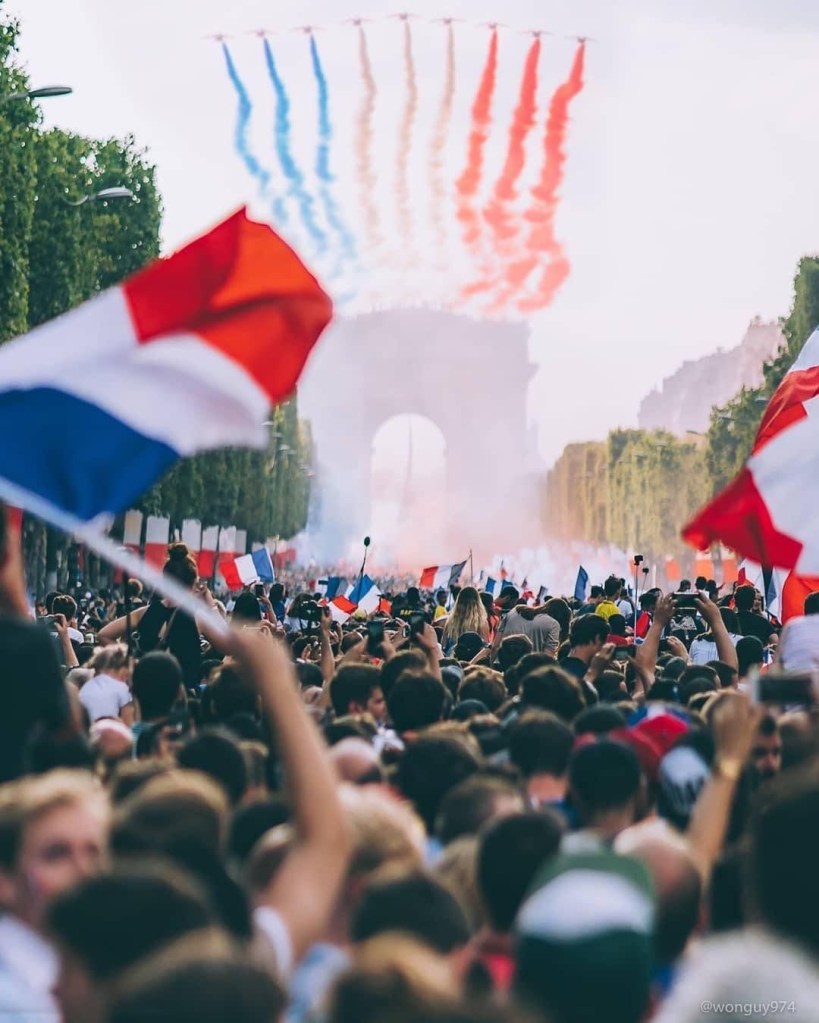
The 2018 Russia World Cup was the time Les Bleus grabbed their opportunities and crossed the finish line as winners. With the most well settled squads and incredible depth, entertainment was a guarantee. With captain Hugo Lloris, defence was sorted with players like Lucas Hernandez, Umtiti, Pavard and Varane. Ngolo Kante and Paul Pogba brought stability in the midfield. The forward line was stacked with Griezmann, Giroud, Mbappe and Dembele.
This World Cup saw France have one of the toughest knockout schedules for any of the World Champions. The R/o16 saw them produce one of the classics as France came back from 1-2 down to win the match 4-3. A match that saw Mbappe announce himself on the world stage. The quarter final was a 2-0 victory over Uruguay and what followed was a defensive masterclass against the best attacking team of the tournament, Belgium. Umtiti’s only header was enough for France to reach the finals, where they produced another goalfest in a 4-2 victory over Croatia. The win meant that Deschamps became the first and only man to win the world cup both as a captain and as a manager.
A UEFA Nations League Victory in 2021 and another World Cup Final in 2022, put France and Deschamps as one of the strongest country-manager partnerships in world football. The team under the current manager has overseen a shift in the generation of players. With the 2026 World Cup being Deschamps final chapter, a fairytale ending could be on the cards.
5. Brazil (2016-2022)
One could argue to place the early 2000’s Brazil with Ronaldo, Ronaldinho, Kaka in this list, but the consistency factor is what pushes the 2022 Brazilian team ahead.
Appointed in 2016, Tite had one goal of bringing silverware back to one of football’s most entertaining countries. Near misses and heartbreaks had crippled the fans, desperate for change. The 7-1 loss to Germany continued to haunt the country as an international humiliation.
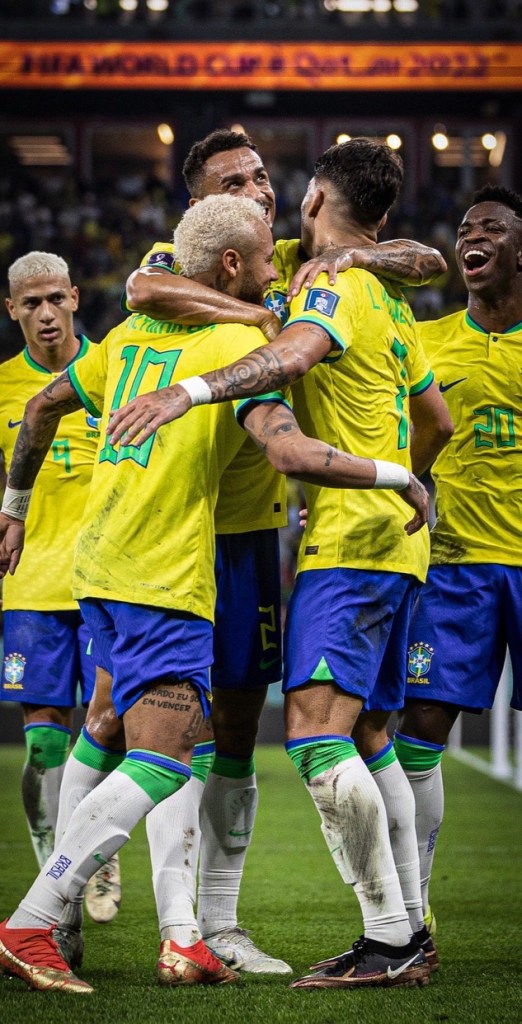
An exceptional qualifying round saw Brazil cruise through to the World Cup as outright favourites. Putting up a defensive masterclass with Thiago Silva, Marcelo and Allison, the country had its first glimmer of hope. For Tite’s men, the story ended in a hard fought 2-1 loss to Belgium’s golden generation.
The 2019 Copa America saw the country return to its glory days as they won the tournament in front of their own fans. A run that saw them knock out arch rivals Argentina. Unfortunately, the country could not replicate its success as they fell short to Argentina in the final of the 2021 Copa America.
2022 was one final chance for the generation to win the grand prize, the World Cup. Being the favourites once again and having all boxes checked, the team seemed to enjoy a good run, until they were halted in the quarter finals by Croatia.
Tite stepped down as the head coach immediately later, but created a team that could potentially be history makers.
 Aadi's Sports Corner
Leave a comment