Football has evolved throughout decades, coming into the 21st century. Besides player quality, broadcast, tactics and kits, the revenue structure and spending have changed the dynamic of modern football.
It’s often been mentioned by media and the viewers, about how the Arab investment and “Oil Money” has ruined the game and the achievements based on big money moves by certain clubs should not be appreciated.
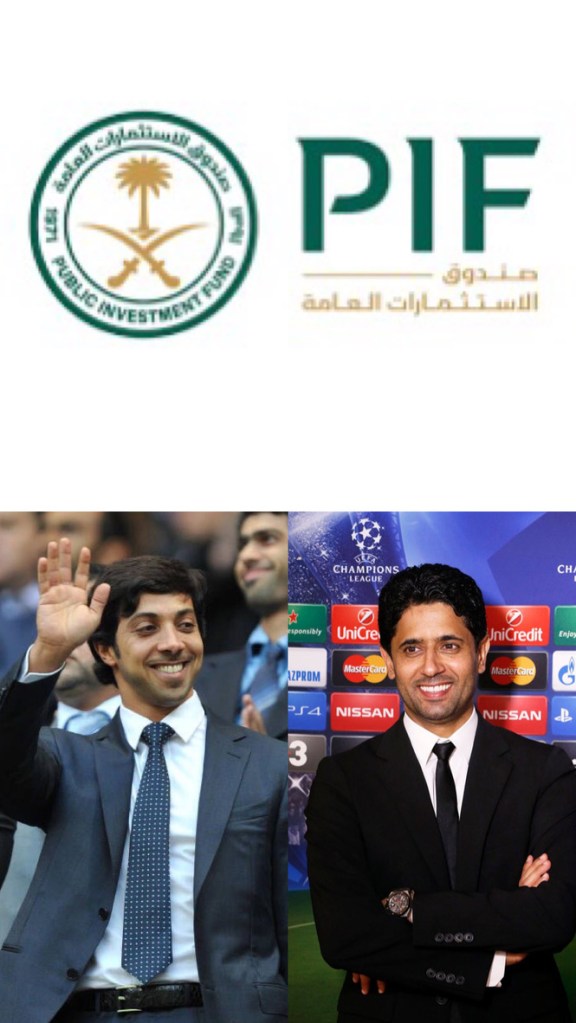
The story about the Arab investment goes back to 2008, when Emirati royal Sheikh Mansour bin Zayed Al Nahyan, purchased a then considered “mediocre club” Manchester City. A move which many considered bizarre, as the club was largely overshadowed by their local city rivals and English greats Manchester United. This was followed by the purchase of Paris Saint Germain by QSI (Qatar Sports Investment) and Nasser Al-Khelaifi. When asked by the media the idea behind this investment, Al-Khelaifi was quoted, “I wanted to build a brand”. Adding to which he said “We wanted to build up the football club. We wanted to have fanbases all over the world. We wanted to win trophies.” The latest club to join this list is Newcastle United, who were purchased by Public Investment Fund (PIF) of Saudi Arabia in 2021.
It was a kickstart of 2 massive projects backed by 2 generous owners and unlimited funding, who wanted to establish their clubs as the biggest sporting brands on the pinnacle of European football. The result of which: A massive win not only with trophies, but on a marketing and economical front too. Manchester City and PSG managed to achieve the herculean task of winning the UCL, after dominating their domestic trophies for over a decade.
The 2 clubs were extremely successful in creating a lifestyle brand out of their clubs with jerseys, signings and iconic collaborations.
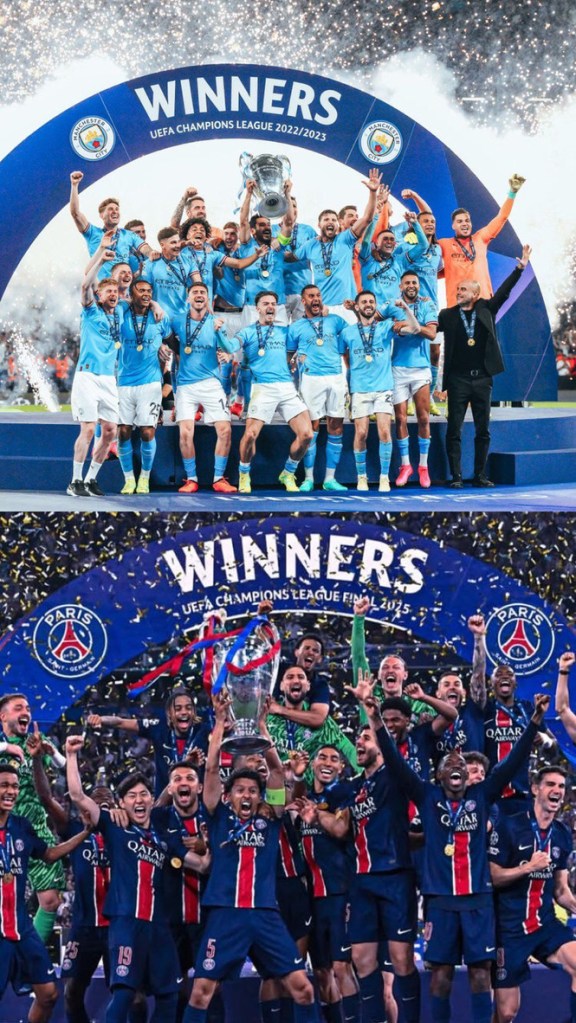
For a non-football fan, these achievements seem to be a major triumph for all the parties involved. But a large section of football fans do not agree, as they believe that City and PSG’s entire success is only based on the “Oil Money” from their Arab owners and that such clubs were almost non-existential to people before the economic infusion.
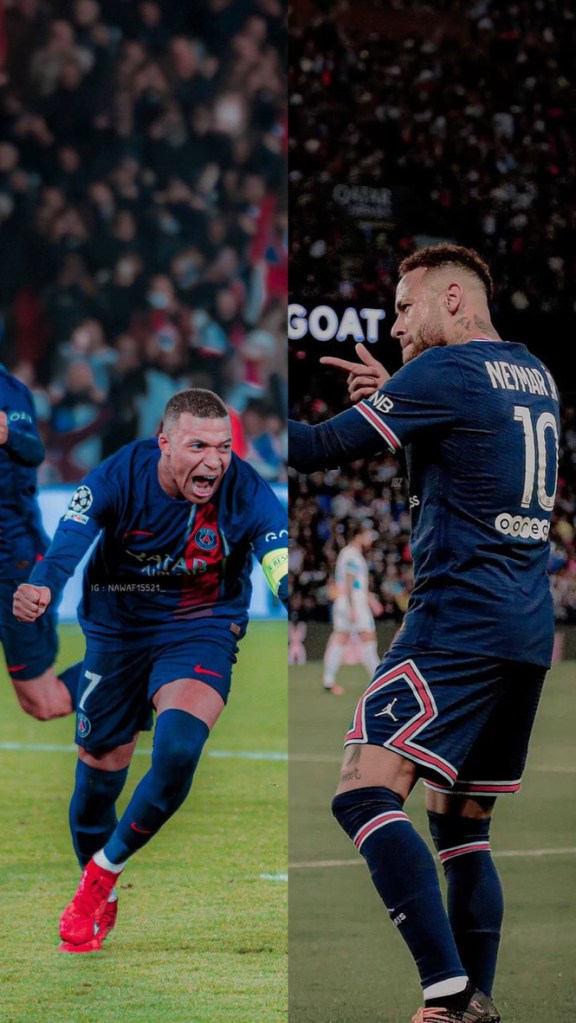
Such statements are heavily backed by the off-field activities of these clubs over the last decade. PSG broke the world record transfer fee when they signed Neymar Jr. from Barcelona in 2017 for €222 million. The following winter they went on to sign Kyllian Mbappe for a hefty €180 million from Monaco. PSG had started spending big on stars early on from 2012 as they broke the bank multiple times to sign players like Thiago Silva, Zlatan Ibrahimovic, Edinson Cavani, Angel Di Maria, Achraf Hakimi, etc.
Manchester City on the other hand might have not spent as largely as PSG, but they still did have a few headline signings in Jack Grealish for €117.5 million (Aston Villa), Josko Gvardiol for €90 million (RB Leipzig), Omar Marmoush €75 million (Eintracht Frankfurt), Erling Haaland for €60 million (Dortmund), etc.
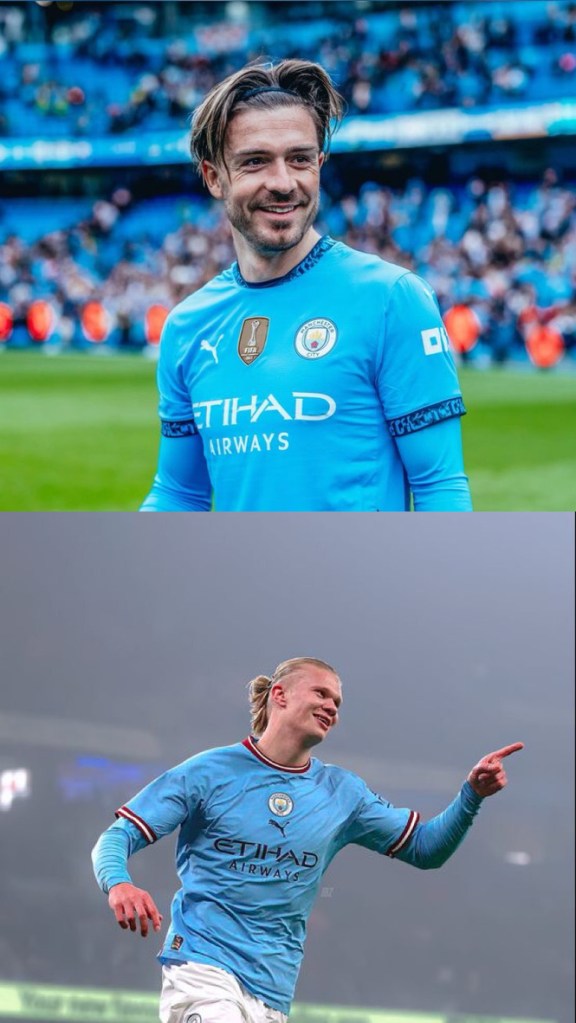
A majority of football fans started believing that the reason for most of their trophies were these big money signings. The narrative forged was that players would choose money over the passion for traditional clubs with rich history. City’s 2020 UEFA ban on transfers and 115 charges of Financial Fair Play (FFP) rule breaches have fueled fans’ anger towards the rich Arab owners.
But delving deeper and observing the transfer activities of the past 15 years, it might be completely unjust to blame these clubs as the sole reason for high money transfer signings.
The revenue model for most giant clubs has changed. Clubs are able to make more profits and generate higher revenue. The major sources of income for clubs include:- Season Ticket Pass, Broadcast Rights and Media, Kits, Branding, Collaboration and high level of Marketing. The high profitability was something that was visible to all and the exact point which was exploited by players and their agents to the fullest
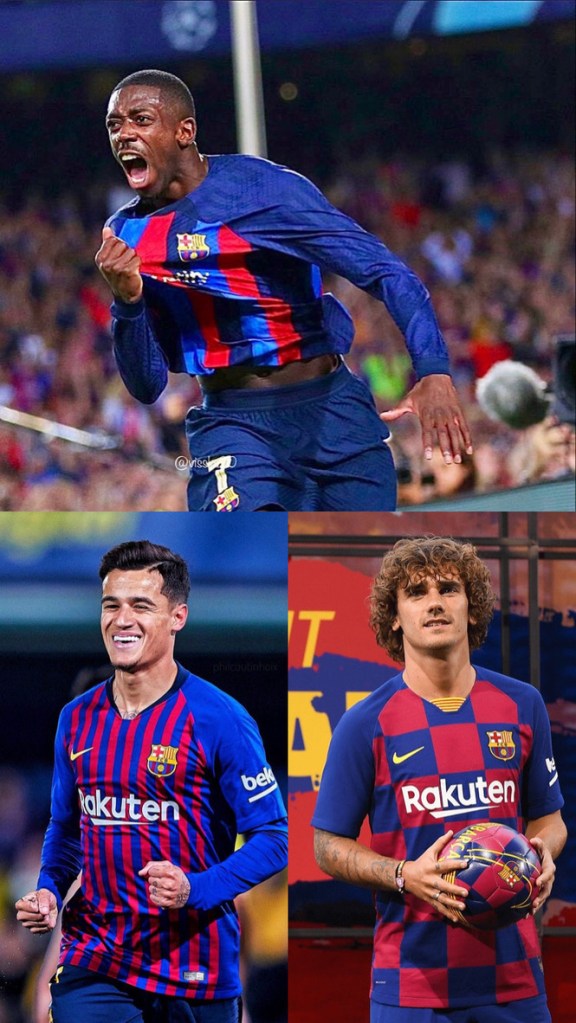
The club profits made the players demands for excessive salaries and commission for their agents. This over time started being used as a bait by clubs to demand higher prices to sell a player. One of the biggest examples of this practice was the Neymar transfer to PSG. The €222 million release clause was paid by PSG to FC Barcelona and was broadcast on every sports channel and news. When clubs received the knowledge about the fees, they started negotiating an excessive amount as release clauses for their players to transfer to Barcelona. Some notable transfers during this period were, Ousmane Dembele from Dortmund for €105 million (2017), Phillipe Coutinho from Liverpool for €142 million (2018), Antoine Griezmann from Atletico Madrid for €120 million (2019).
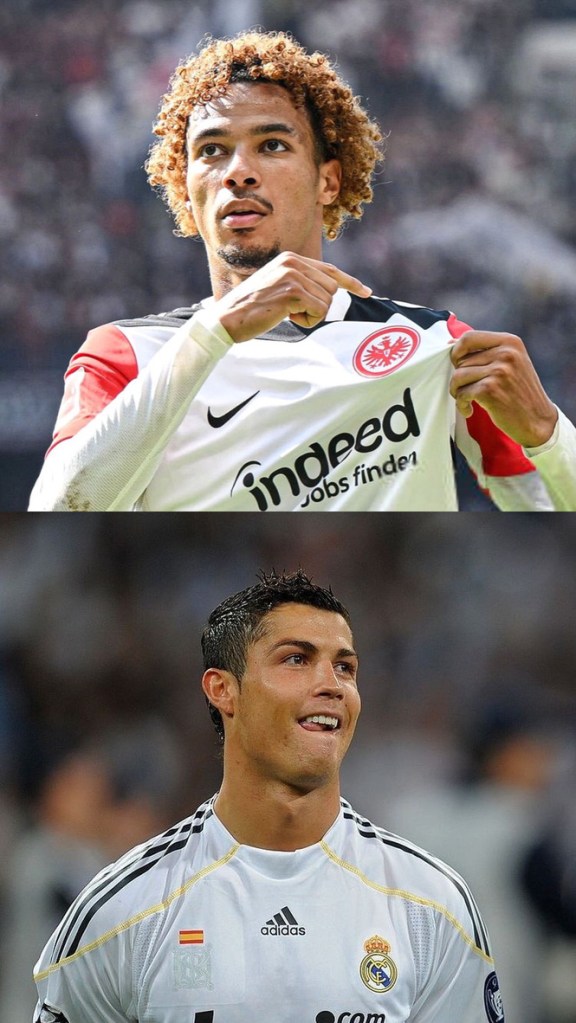
In the summer of 2025, Liverpool signed Florian Wirtz for a club record €125 million and have now agreed a deal with Frankfurt for Hugo Ekitike for about €95 million. As a reference to which, Cristiano Ronaldo’s transfer from Manchester United to Real Madrid in 2009 was €95 million too. It just shows the level of inflation and the economic progress in the football world.
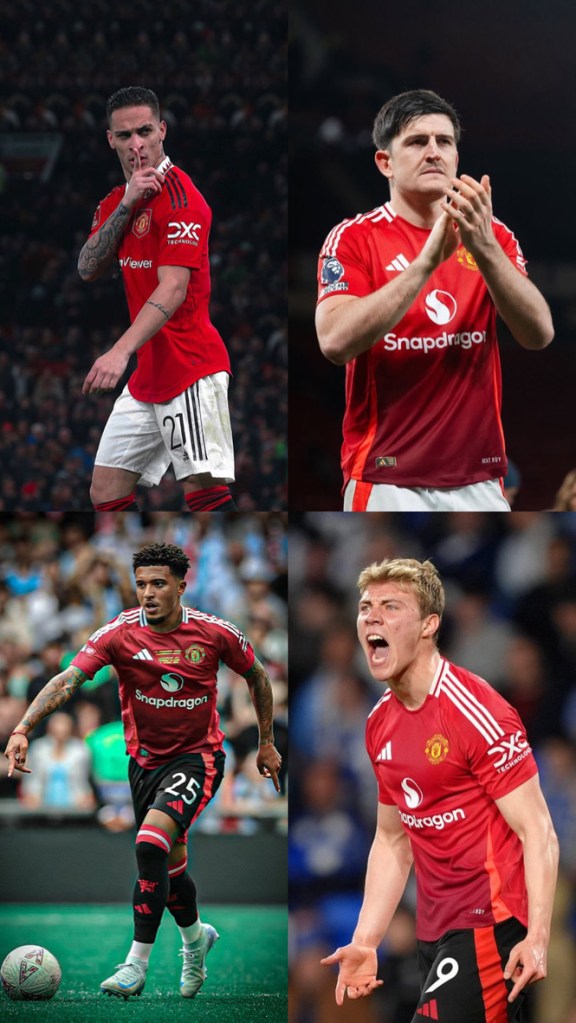
Though spending on player transfers is not completely wrong, it is essential to understand the expenditure on the right players is of equal importance. In the past few years, Manchester United paid an outrageous €95 million for Antony, €87 million for Harry Maguire, €85 million for Jadon Sancho, €77.8 million for Rasmus Hojlund. With no disrespect intended, it is quite evident for fans to notice the vast difference in the quality of players from United as compared to those signed by City and PSG. Both clubs have managed to win the UCL, whereas Manchester United struggled to qualify for European football and have failed to repeat their past success.
The discussion about Big Money people ruining a sport will be persistent for decades to come. But it is of the utmost importance to understand the entirety of the facts.
 Aadi's Sports Corner
Leave a comment