The 2024-25 season has been termed as the “New Era” in European Football. The expansion of European competitions has drastically increased the number of matches a football club plays throughout a defined season. More matches = More Entertainment + More INJURIES to players. It’s been a long season, which has surely been a treat for the fans, but has taken a toll on the players. Injury risks have increased which in the long run can drastically cut short their careers.
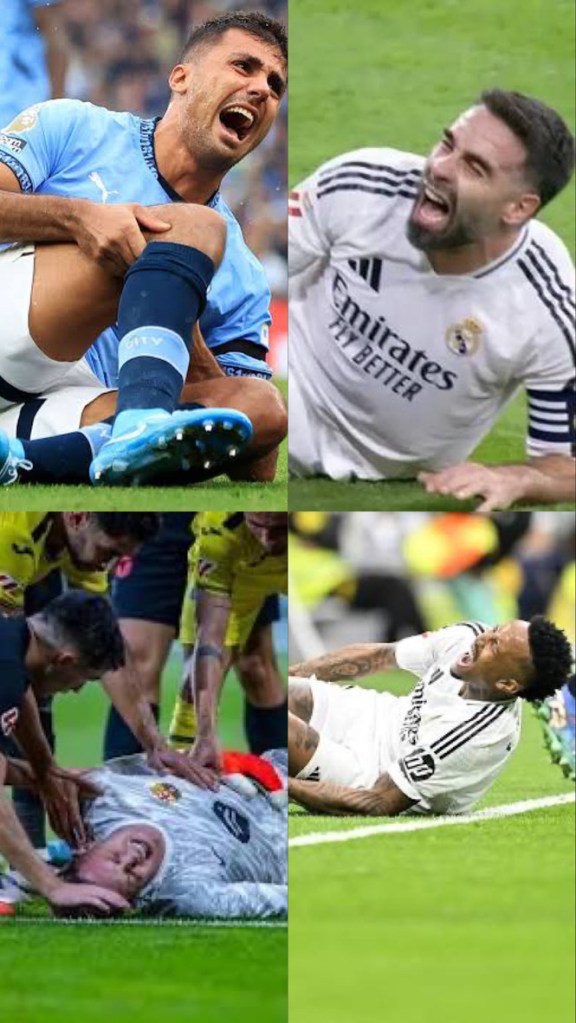
A number of high profile players including current Ballon D’or winner Rodri (Manchester City), Dani Carvajal (Real Madrid), Eder Militao (Real Madrid), Marc Andre-ter Stegen (FC Barcelona), Lisandro Martinez (Manchester United), have all suffered ACL related injuries sidelining them for an entire season. An ACL injury requires 8-12 months of recovery which is crucial as any haste can hamper a players career. Such injuries can cut short a player’s career significantly. We might not see players like Cristiano Ronaldo (40), Lionel Messi (38), Robert Lewandowski (37), compete at such later ages at the top of their games.
The new UCL and UEL formats have increased the number of teams to 36, with every team playing 8 matches against random opponents. This forces the group stage to continue till the month of January and the additional knockout round, makes it 10 matches for some teams to qualify to the R/o16.
Besides club competitions, UEFA have also expanded the Nations League for a longer and competitive format. With the inaugural FIFA Club World Cup in June 2025, has added extra playing months for footballers. The lack of rest between the seasons can also prove to be harmful for a club’s future plans.
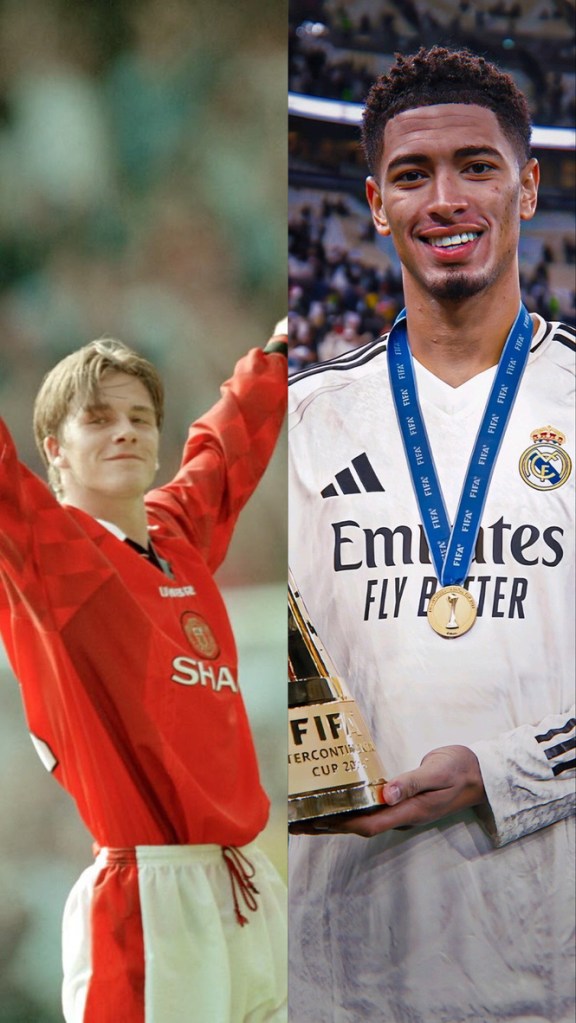
This increased competitiveness with expanded tournaments and too many injuries, forces teams to play a younger squad that is yet to develop, not just by skills and maturity, but physically as well.
For instance, David Beckham who had only played 54 games, before turning 21, is drastically less than Jude Bellingham’s 251 matches before reaching the same age.
A number of players and football managers have come out and spoken against this hectic scheduling. “I think we are close to that,” said Rodri when asked whether players will strike. “If it keeps this way, it will be a moment that we have no other option, but let’s see.” These statements came out in September, just days before Rodri ended up tearing his ACL and missing the remainder of the season. Carlo Ancelloti spoke in March and said “ We have to thank these players for their tremendous effort since January 3rd. Even more so today. It’s the last time we’ll play before 72 hours. We’ll never do it again. We’ve asked LaLiga to change the schedule twice, and nothing has happened. It’s the last time.”
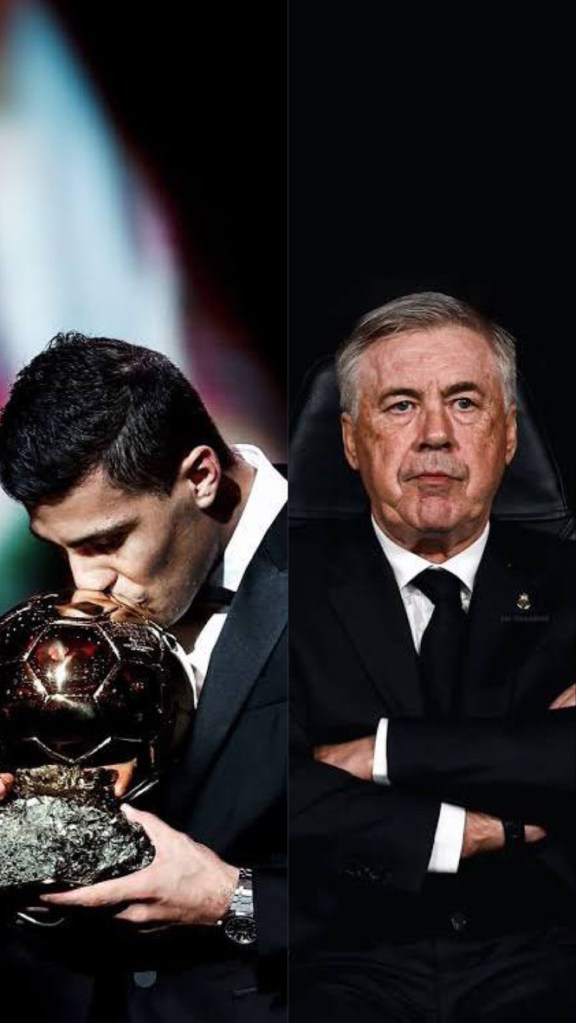
The reason for this expansion is to generate more revenue and profits for the sport. Though it seems like a money minting process by UEFA, it would be too inappropriate to only hold them accountable for this plight of the players.
Karl-Heinz Rummenigge was quoted, “find it very interesting that players in England complain, where they have the luxury of a League Cup and a league with 20 teams. I understand this discussion. But the players and their agents have maneuvered themselves into this trap. By demanding ever more and ever higher salaries, they are forcing the clubs to generate ever higher revenues. And how does this revenue come from? Through more games. And that is why I say: we should sit down with all those involved and discuss without emotion what mechanisms we need to bring back the more serious and rational times – including in terms of business.”
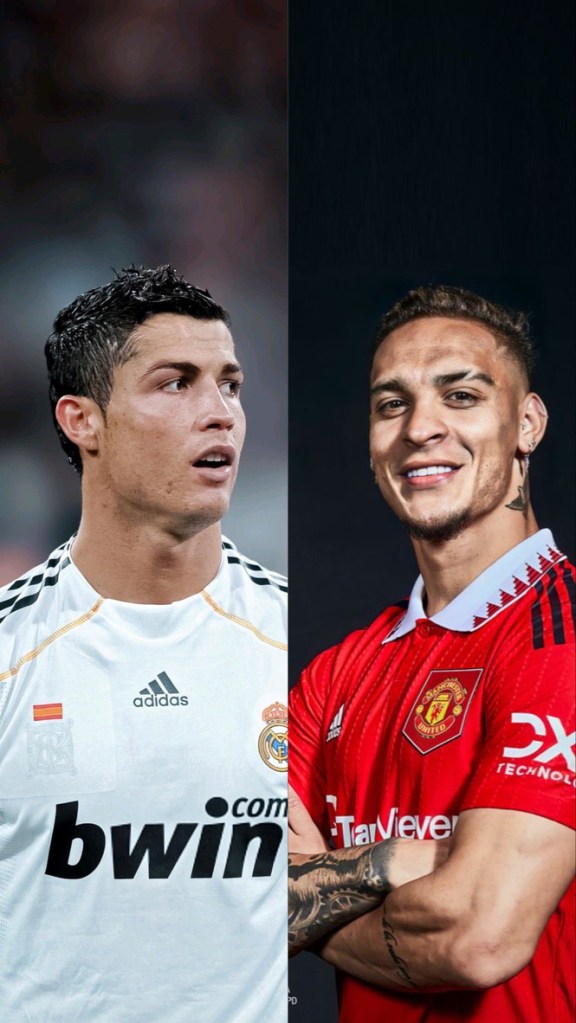
In order to explain this better, we can take instances of past decade transfers. Cristiano Ronaldo’s transfer from Manchester United to Real Madrid in 2009, cost €80 million. A reasonable price for one of the best players in the world at the time and a player who was the previous year’s winner of the prestigious Ballon D’or.
Fast forward to 2022, Antony, a rising star in the Eredivisie, was purchased by Manchester United for a whopping €100 million. A price that did not seem to justify the hype and performances of the winger. This just states about the kind of inflation in the transfer market and the difference in what a 100 million euros could get you in 2009 and 2022.
The Saudi competition is another catalyst to this decision of UEFA. Since 2023, a number of football stars are choosing to go to Saudi Arabia, due to the high wages and bonuses they receive on signing. Saudi Arabian clubs have a strong backing of their government and spending such extravagant tons of money is not a big deal for them. This adds to the woes of European clubs in holding onto their star players, as these clubs largely depend on matches, sponsors and advertisements for their revenue generation.
Therefore it becomes essential for clubs to have a higher number of matches, as it benefits them and generates income to pay the high transfer demands of footballers. But what will be the future of these players? Will we continue to see the expanded version of the competitions or will there be a change considering the players safety?
 Aadi's Sports Corner
Leave a comment